

Conceptual

Injustices at the air-energy nexus

This paper, co-authored with Stefan Bouzarovski (The University of Manchester) and published in Environment and Planning F, explores the socio-technical interconnections between atmospheric systems, and energy systems (from the extraction right through to the consumption of energy resources).
Spatial approaches to energy poverty

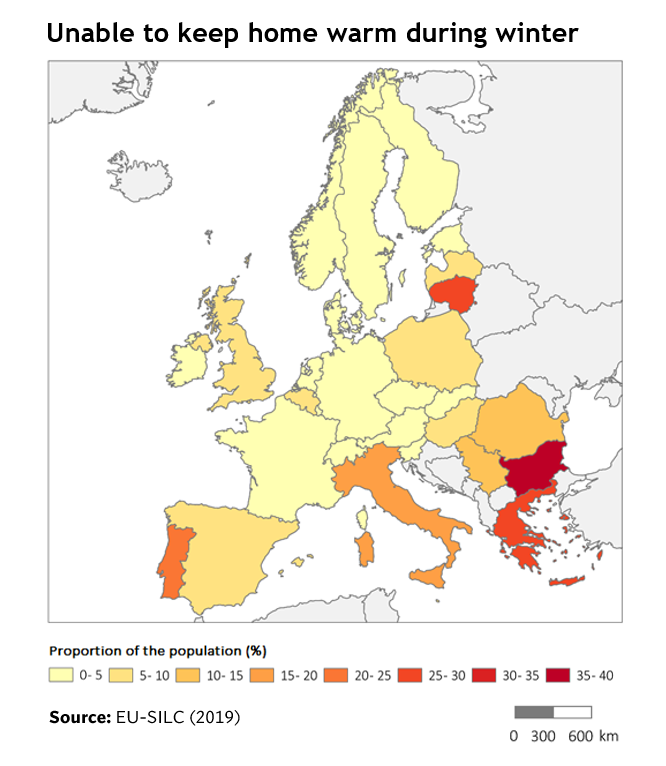
This chapter in the Handbook of Spatial Analysis in the Social Sciences explores how spatial analysis techniques can be used to shed light on the distribution of energy poverty in different geographic contexts.

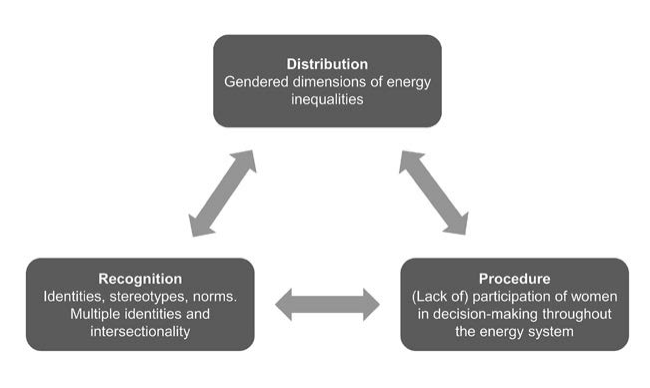
Gender and energy poverty

This chapter recognises that although many of the most pervasive inequalities are embedded in unequal gender relations, gender has only recently emerged as a focus in conversations about energy justice in the Global North. Co-authored with Neil Simcock and Saska Petrova, the paper sets out a framework for understanding the ways in which energy justice is shaped by gender relations, and vice versa.

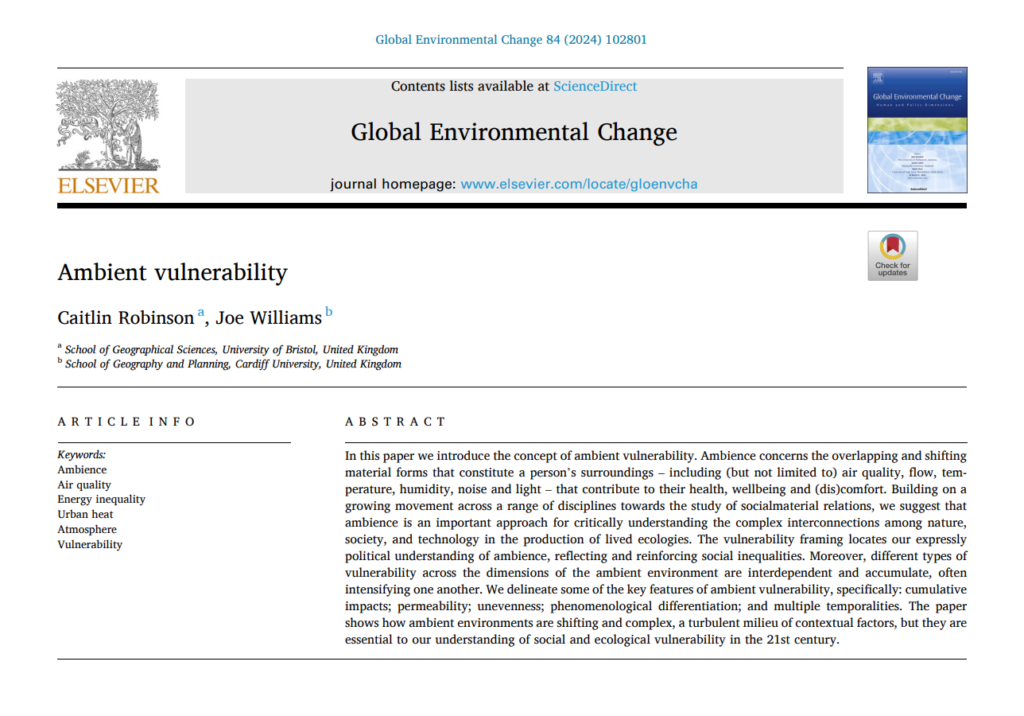
Ambient Vulnerability

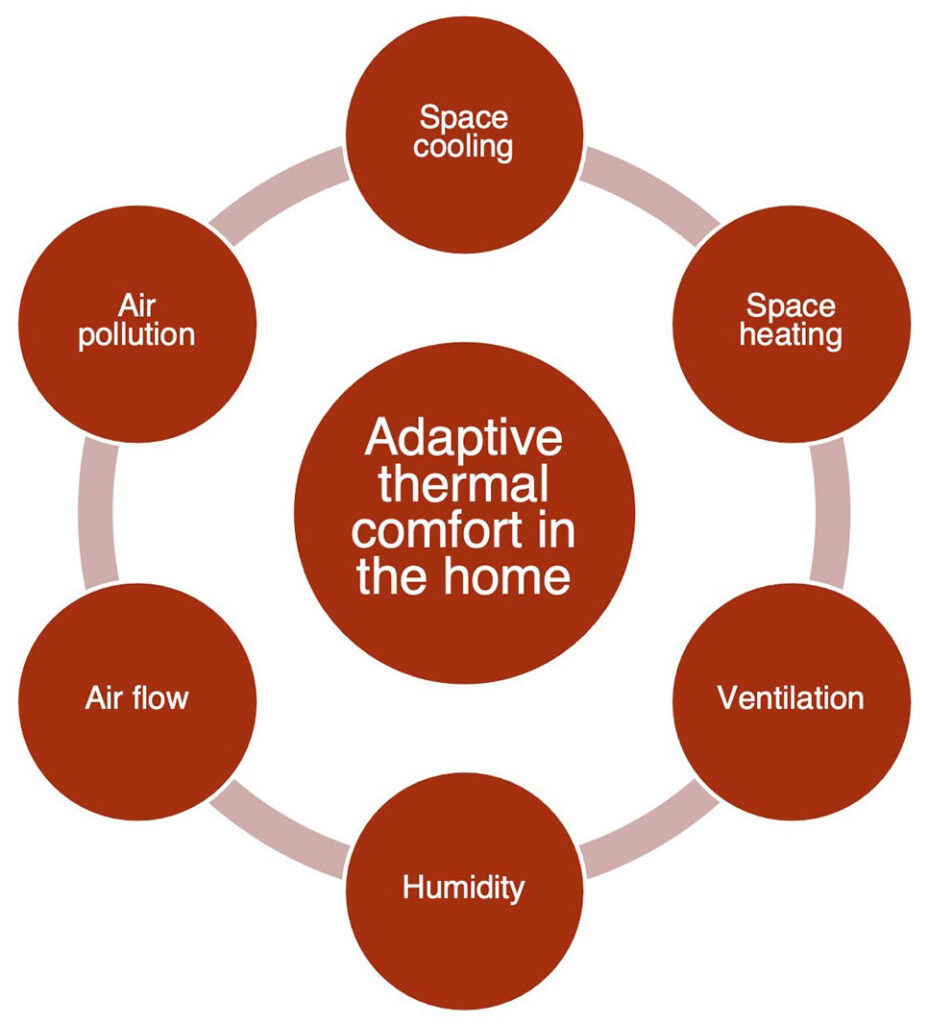
This paper, co-authored with Joe Williams (Cardiff University) in Global Environmental Change, introduces the concept of ambient vulnerability. Ambience concerns the overlapping and shifting material forms that constitute a person’s surroundings – including (but not limited to) air quality, flow, temperature, humidity, noise and light – that contribute to their health, wellbeing and (dis)comfort.

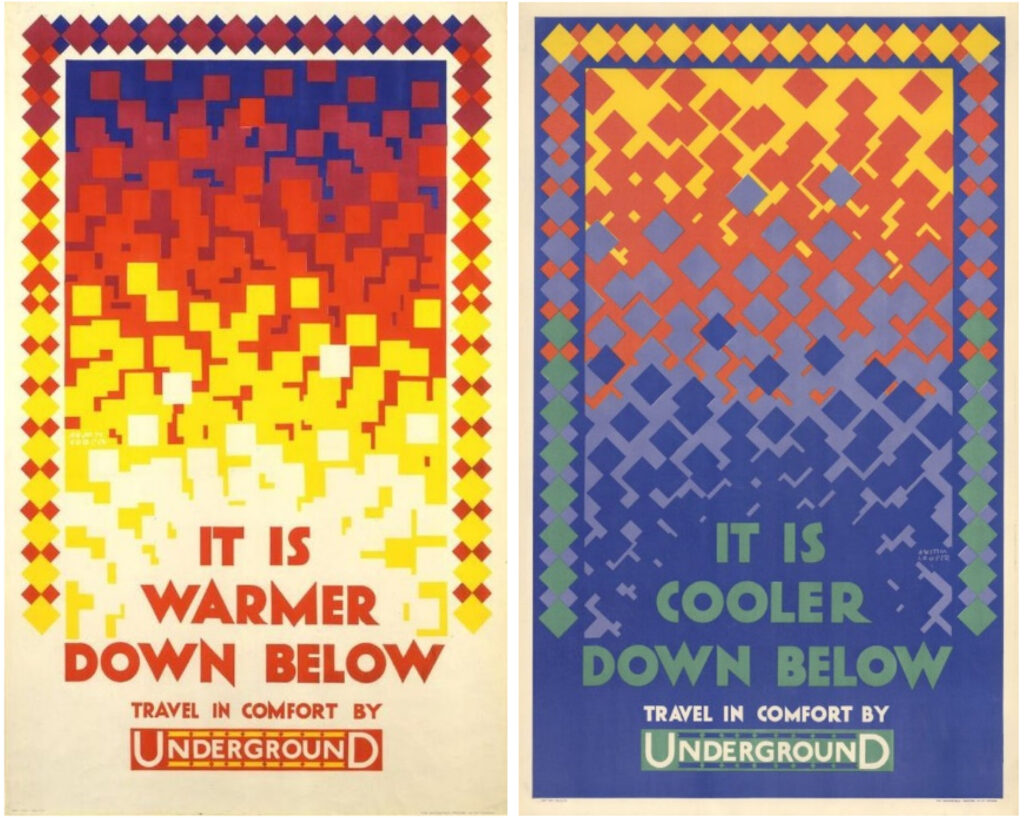
Raising the temperature: A critical geographical perspective on heat

This review paper, published in Progress in Environmental Geography, examines critical perspectives on heat in geography. As a spatio-temporal phenomena that is at once physical and meteorological, as well as environmental, social, technical, cultural, embodied, and political, geographers have much to contribute towards understanding heat and its differential impacts. We argue that critical (human) geography should foreground heat, and its complex materiality.

© Mapping ambient vulnerabilities | All Rights Reserved | Credits