Lenka Hasova presented our Mapping Ambient Vulnerability project, including our work on “Mapping Indoor Air Pollution Sources in England and Wales” (a collaboration with National Energy Action), at the UKHSA Annual Outdoor and Indoor Air Pollution Conference.
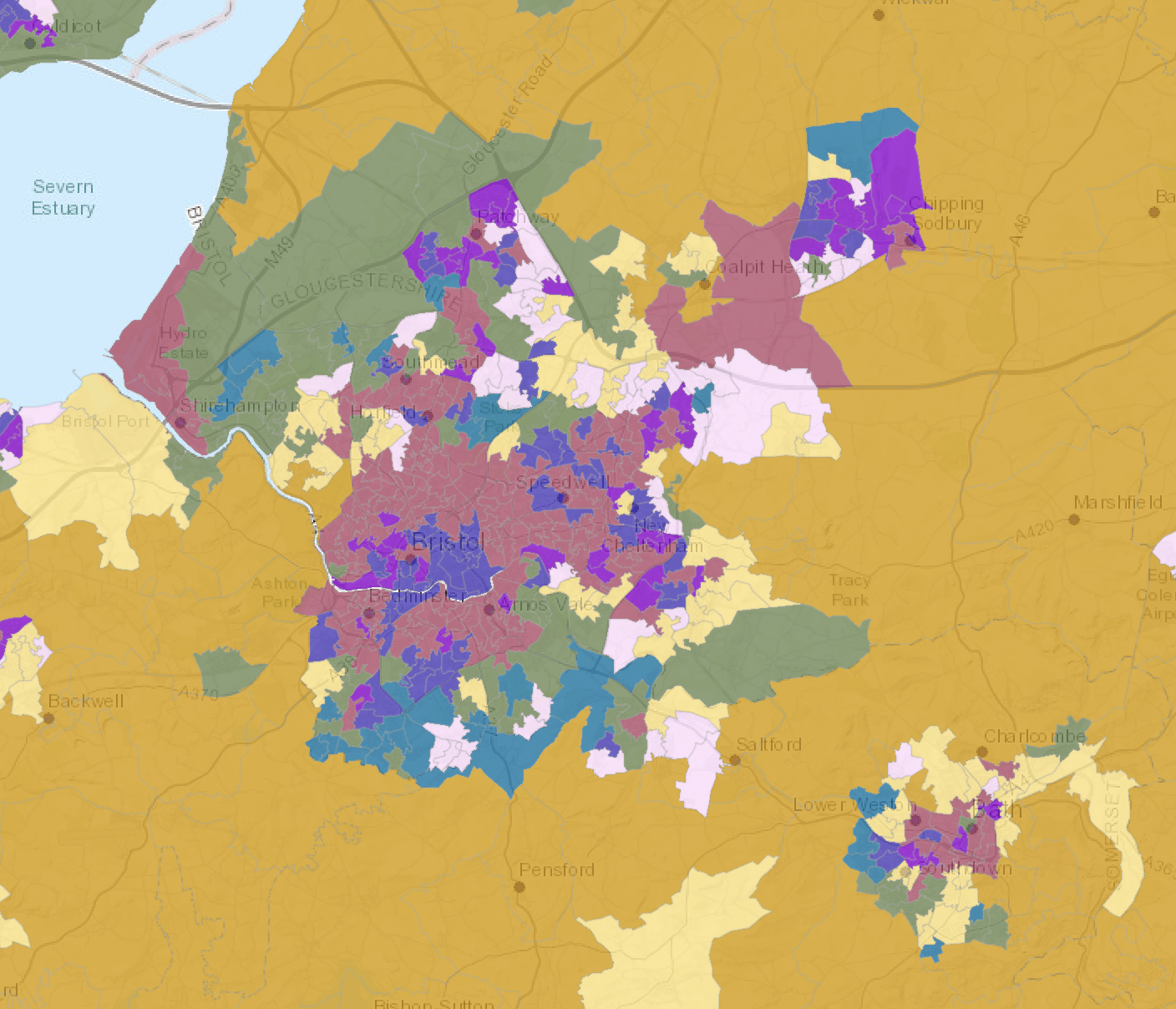
During the event, we shared our interactive maps that show which indoor air pollution sources are most influential in different neighbourhoods. We also discussed the key data and policy limitations that are currently slowing the progress on indoor air quality in the UK. Key discussion points included:
1. Understanding indoor air quality at a national scale
Much of the available indoor air quality data is collected at small spatial and temporal scales. Large-scale measurements require significant resources, which makes it difficult to build a comprehensive national picture. To address this limitation, we instead searched for data on the distribution of air pollution sources, drawing from datasets such as Energy Performance Certificates, the National Atmospheric Emission Inventory, the British Geological Survey, the CENSUS and the Office for National Statistics (ONS).
2. No standards for indoor air quality measurement
Even basic monitoring devices can help people improve the conditions in their homes. However, the UK currently has no standards or regulations for consumer indoor air quality devices. As a result, the public struggles to access reliable and affordable tools, and researchers lose valuable opportunities for secondary data collection.
3. Policy gaps at the local level
Local policy advice often focuses mainly on household behaviour change, rather than addressing the wider structural issues that influence indoor air quality. Real progress will require more integrated approaches that combine climate resilience, housing improvements, and health support programmes.
4. Housing standards that miss essential factors
Current housing standards and building regulations are often vague or concern themselves primarily with technical airflow requirements, and they are inadequately applied in practice. Our findings show strong evidence that existing energy-efficiency standards and retrofit practices, especially in older English housing stock, can unintentionally worsen indoor air quality. Updated standards are needed that place equal importance on occupant health, building health, and energy efficiency.